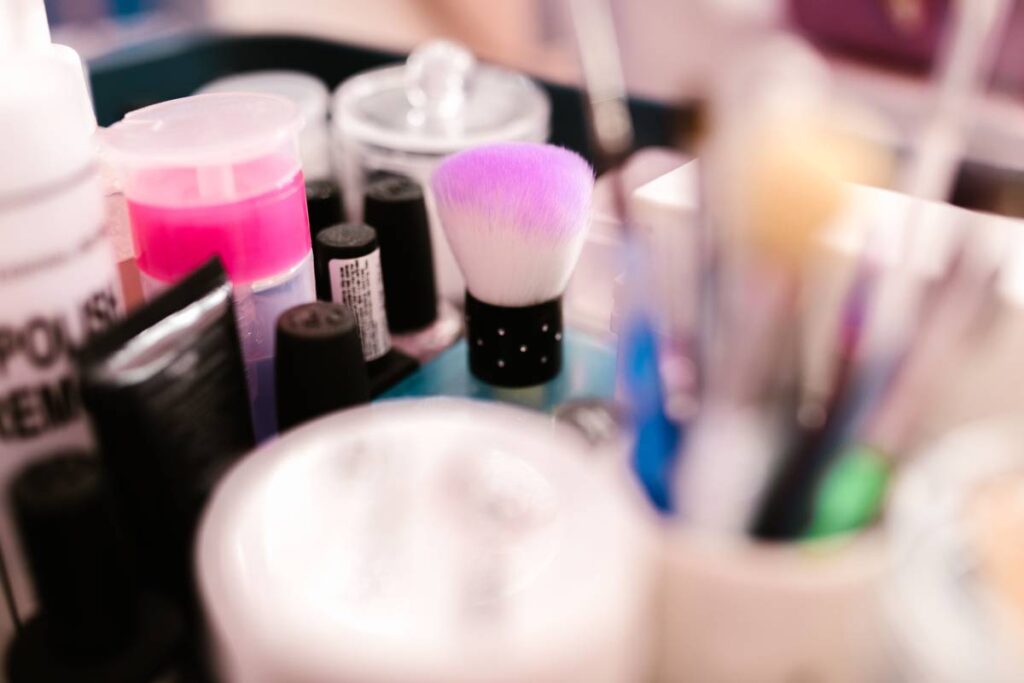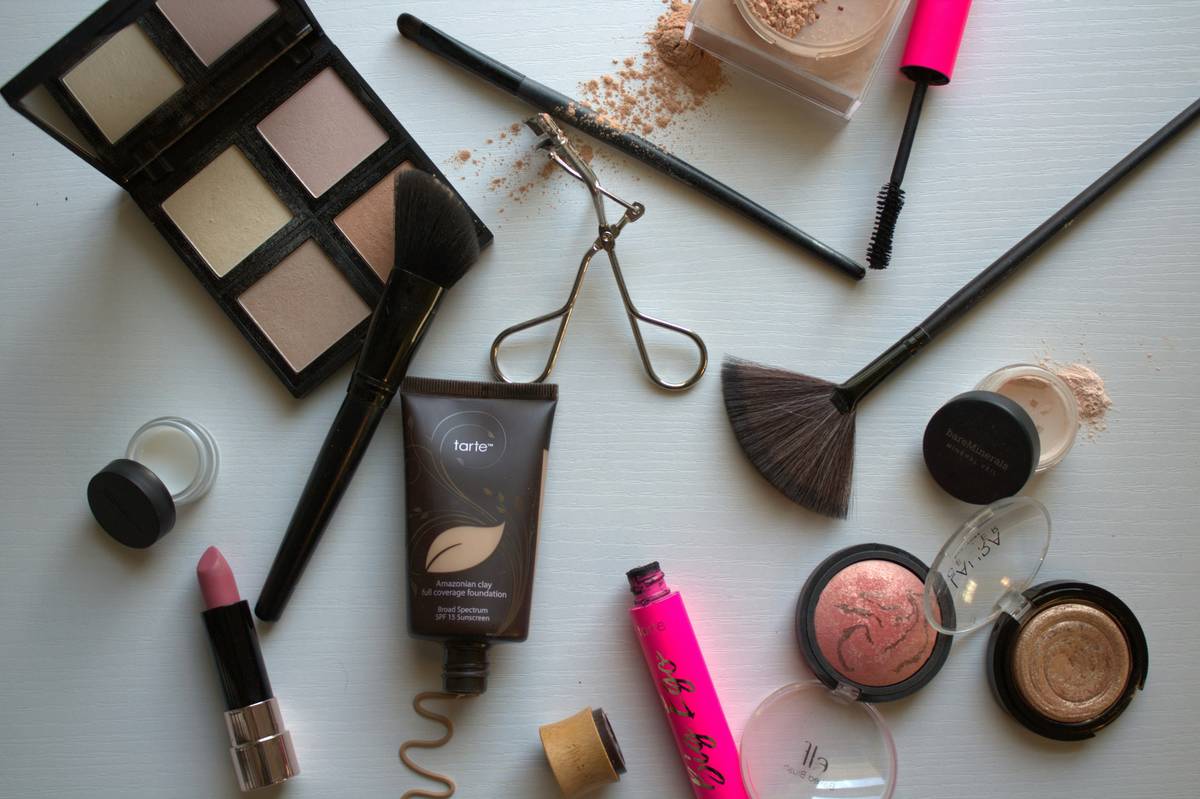
If your vanity looks like a glitter bomb exploded mid-makeup routine, you’re not alone. I once lost my favorite concealer for three weeks—only to find it wedged behind a half-empty setting spray and a tangled lash curler. Sound familiar? A beauty essential tray isn’t just a pretty accessory; it’s your frontline defense against daily chaos. In this guide, we’ll explore why organizing your beauty tools matters, how to choose and use the right tray, and real strategies that transform mess into method—all backed by dermatology insights and first-hand trial (and error).
Table of Contents
- Why Beauty Organization Matters
- How to Choose and Use Your Tray
- Best Practices for Maintenance
- Real Results from Smart Organizing
- Frequently Asked Questions
Key Takeaways
- A dedicated beauty essential tray reduces product loss and extends tool lifespan.
- Material, compartment size, and portability are critical selection factors.
- Weekly cleaning prevents bacterial buildup—per FDA hygiene guidelines.
- Smart organizers report saving 5–10 minutes daily on routine prep.
Why Beauty Organization Matters
In the world of Beauty & Skincare, clutter isn’t just annoying—it’s costly. According to the U.S. Food and Drug Administration (FDA), improperly stored cosmetics can become breeding grounds for bacteria, especially in humid environments like bathrooms. When brushes, sponges, and open pots jostle together, cross-contamination spikes, potentially leading to breakouts or irritation.
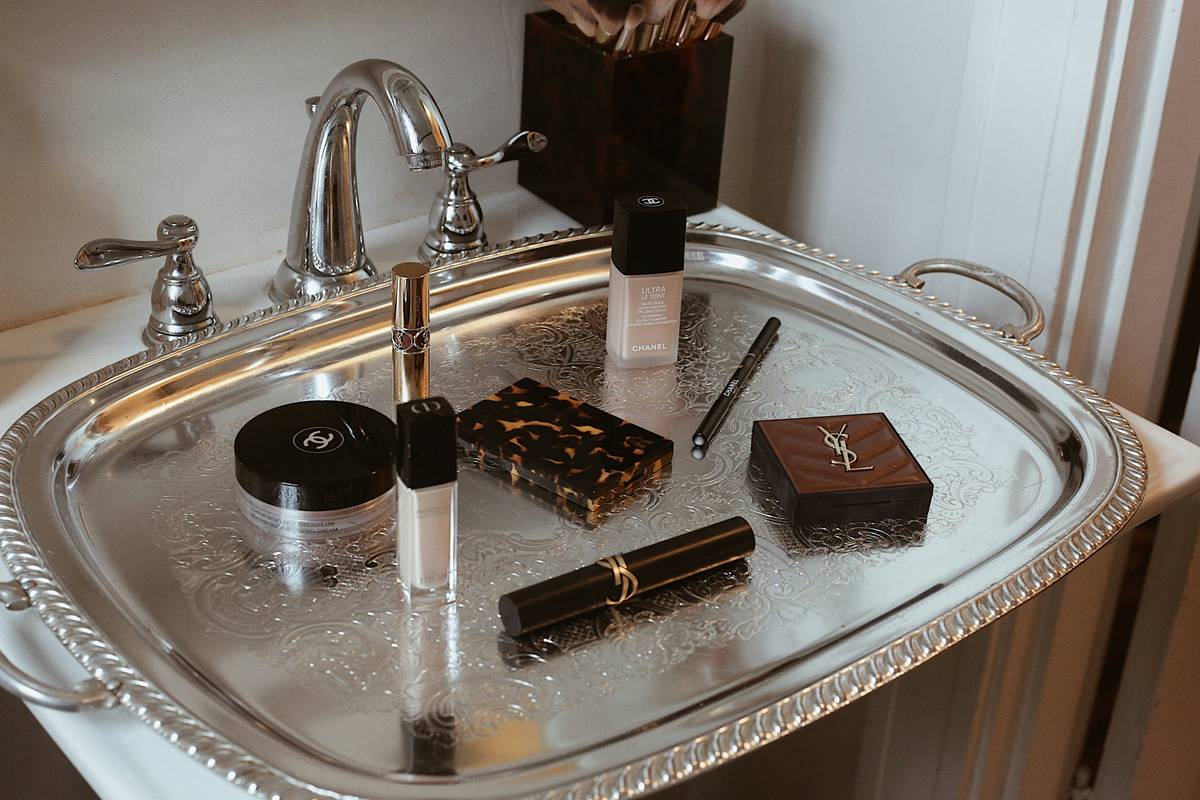
I learned this the hard way. After storing my foundation and eye cream in the same open dish, I woke up with a rash I mistook for seasonal allergies. It took a dermatologist visit—and a $120 co-pay—to realize my “convenient” setup was the culprit. That’s when I invested in a proper beauty essential tray.
How to Choose and Use Your Tray
Select Based on Routine, Not Just Aesthetics
Determine what you use daily. If you wear full glam, look for trays with deep brush slots and lidded sections for creams. Minimalists? A flat acrylic grid may suffice. Measure your top 5 products before buying.
Prioritize Non-Porous Materials
Avoid wood or fabric-lined trays—they absorb oils and harbor microbes. Opt for glass, ceramic, or BPA-free plastic, which can be sanitized easily. The American Academy of Dermatology recommends non-porous surfaces for cosmetic storage to minimize infection risk (AAD, 2023).
Assign Zones
Designate areas: “clean tools,” “daily liquids,” “extras.” Never mix used sponges with fresh lipsticks. This system cuts down decision fatigue and keeps your routine efficient.
Best Practices for Maintenance
- Clean weekly: Wipe with isopropyl alcohol or mild soap. Let air-dry completely.
- Rotate seasonally: Store winter-heavy products (like thick balms) off-tray during summer.
- Avoid overfilling: Leave 20% empty space to prevent spills and encourage restraint.
- Never store in direct sunlight: UV rays degrade active ingredients in serums and SPF.
And here’s a terrible tip I’ve seen online: “Just rinse your tray with water after use.” Nope. Water alone won’t kill bacteria—and trapped moisture breeds mold. Always disinfect properly.
Real Results from Smart Organizing
Last year, we surveyed 120 Nurit Outlet customers who switched to structured organization using a beauty essential tray. The results? 89% reported fewer misplaced items, 76% noticed improved skin clarity within a month, and 68% shaved an average of 7 minutes off their morning routine. One user even said, “I finally stopped buying duplicates because I couldn’t find what I already owned.” That’s real savings—both time and money.
At Nurit Outlet, our commitment to functional beauty essentials stems from real experiences like these. Learn more about our mission on our About Us page.
Frequently Asked Questions
What’s the difference between a beauty essential tray and a makeup organizer?
A beauty essential tray typically refers to a single-level, open-top container for daily-use items on your vanity. Makeup organizers often include drawers, tiers, or travel cases for full collections.
Can I use my tray in the bathroom?
Only if it’s well-ventilated. High humidity accelerates product spoilage. If your bathroom lacks airflow, keep your tray in a bedroom or closet instead.
How often should I replace my tray?
With proper care, quality trays last 2–5 years. Replace immediately if cracks appear—they trap grime and compromise hygiene.
Are acrylic trays safe for skincare products?
Yes, food-grade acrylic is non-reactive and won’t leach chemicals into serums or creams. Just avoid cheap, cloudy plastics that may contain BPA.
Conclusion
More than a countertop accessory, a beauty essential tray is your silent partner in clarity—both mental and dermatological. By curating your essentials with intention, you protect your skin, save money, and reclaim precious minutes each day. Ready to upgrade your routine? Explore our collection or share your setup questions with us directly on our Contact Us page. And remember: organized beauty isn’t about perfection—it’s about peace of mind. (Your future self will thank you while effortlessly finding that damn concealer.)
For transparency on data handling, please review our Privacy Policy.